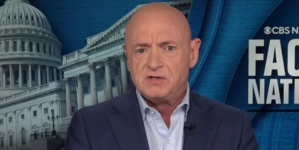
Vice President JD Vance said on CNN the memorandum of understanding between the U.S. and Iran is a “very general document,” spanning about a page and a half, with knotty details on the future of Iran’s nuclear program and other issues left for future talks.
“On a number of issues, we are going to have to figure this stuff out during the technical negotiation phase,” Vance told CNN’s Jake Tapper, referring to the deal’s 60-day window for further talks, which are set to begin Friday.
Senior U.S. officials told reporters earlier Monday they plan to release the full text of the memorandum of understanding in the next 24 to 48 hours.
In the short-term, the deal is expected to extend the U.S.-Iran ceasefire, reopen the Strait of Hormuz, end a U.S. naval blockade on Iranian ports and launch negotiations on Iran’s nuclear program. But the two countries have made conflicting claims about sanctions relief, with Iran’s Revolutionary Guards saying the U.S. is expected to unfreeze billions in Iranian assets before the start of talks, while the U.S. says Iran will get nothing until it complies with the deal.
Vance told CNN the claims about unfreezing assets as a precondition to talks are “definitely not true,” and argued those claims may have been made by “hardliners” within Iran who tend to “overemphasize what Iran gets from the bargain” to appeal to a domestic audience.
Vance said Iran could get a “very significant sanctions relief package,” but only if it meets its obligations.
“There is a really big opportunity for the Iranians, but they only get the benefit of that opportunity if they do the things they promise they’re going to do,” he said.
It’s also unclear what form a potential U.S.-Iran nuclear agreement might take, or whether the two sides will strike a deal in 60 days. And Iran said last week that negotiations will only cover nuclear issues, with Iran’s ballistic missile program and its support for militant groups like Hamas and Hezbollah — two other major concerns for the U.S. — excluded from talks.
Vance said preventing Iran from developing a nuclear weapon or reconstituting its nuclear program are the most important issues, but U.S. officials “certainly expect that as part of our broader agreement … Iran is going to stop funding terrorist organizations.” He pointed to a portion of the memorandum that said Iran must commit to “regional peace and stability.”