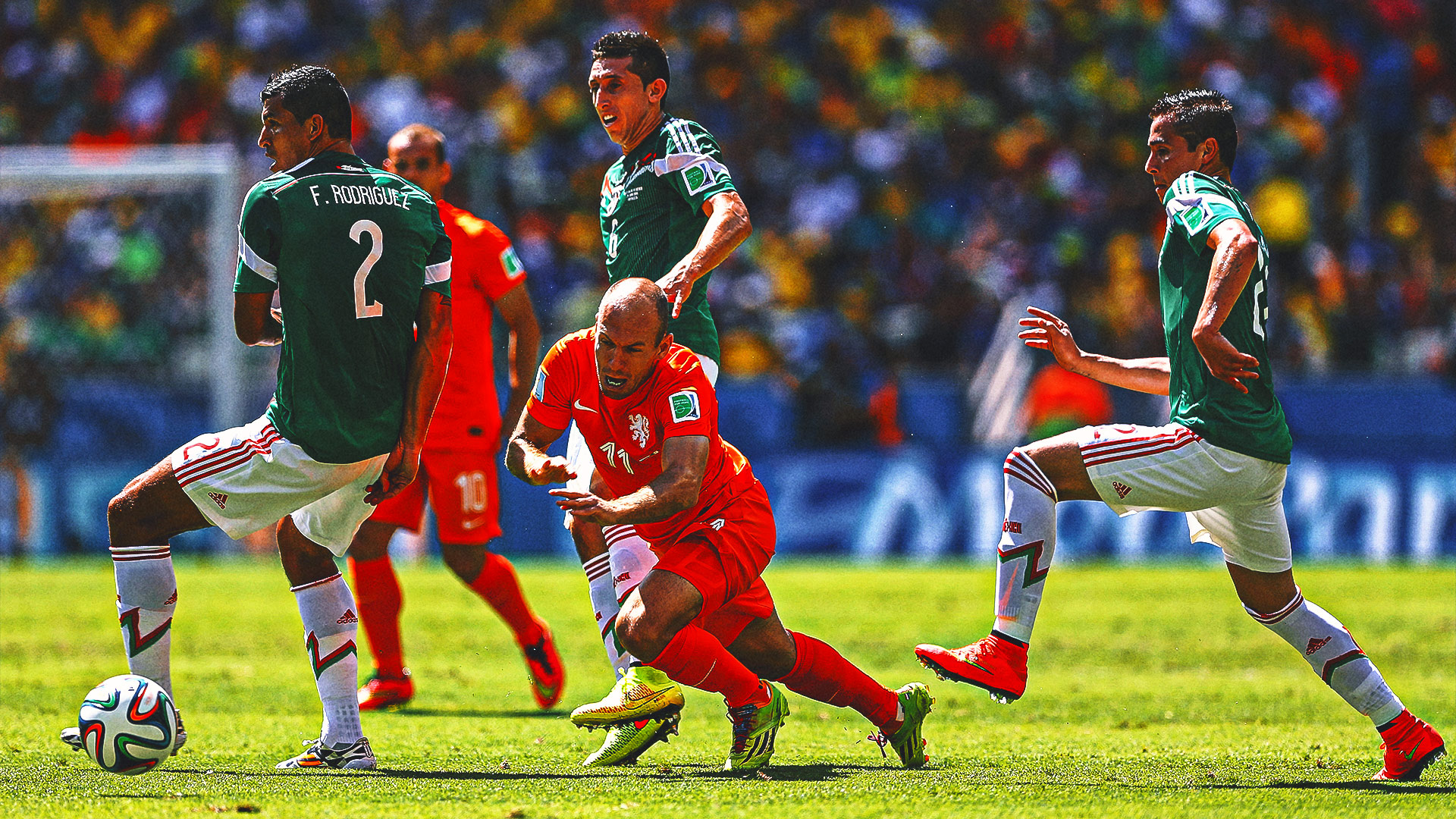
The most pressure-packed scoring opportunity in soccer might be the one where no one is defending: the penalty kick.
A goal is almost certain, so long as you keep a cool head and beat the goalkeeper. Simple enough, right?
But what exactly is a penalty kick, and how is it awarded? Here’s everything you need to know about the penalty kick ahead of the 2026 FIFA World Cup:
What Is A Penalty Kick?
A penalty kick — or “PK” — is a one-on-one duel between a field player and a goalkeeper in which the field player tries to score a direct kick from the penalty spot.
How Is A Penalty Kick Awarded?
A penalty kick is awarded when a player commits a foul — tripping, pushing or a handball — inside the penalty area, which is a large 18-yard box that extends from the goal line into the field of play. The total width of the box is 44 yards.
A penalty can be awarded in the run of play or during a Video Assistant Referee check.
Who Takes The Penalty Kick?
The designated penalty taker is usually predetermined based on a player’s proven ability to score, from the penalty spot or otherwise. For example, Harry Kane, the active leading goalscorer for England, is the designated penalty taker for the Three Lions.
How Far Is The Penalty Spot?
The penalty is 12 yards from the center of the goal line, meaning that there are just 12 yards that separate the penalty taker and the goalkeeper at the time of a penalty kick.
What Are The Rules For The Penalty Taker?
The penalty taker is given freedom to confuse the goalkeeper during their run-up to the kick so long as:
- The penalty taker doesn’t attempt a fake kick or a “feint” while attempting to strike the ball AND
- The penalty doesn’t make contact with the ball more than once during their attempt.
If a penalty taker participates in illegal feinting, they will be cautioned and an indirect free kick will be awarded to the opposing team.
If a penalty taker makes contact with the ball more than once during their attempt and the attempt is successful, the penalty kick will be retaken. If it isn’t, it will be recorded as a miss and play will resume.
What Are The Rules For The Goalkeeper?
The goalkeeper must follow three key rules during a penalty kick: face the kicker, stay between the goalposts and keep at least one foot on or over the goal line until the kick.
If a goalkeeper leaves their line during a penalty attempt and the attempt is unsuccessful, it will be retaken. If the attempt is successful, it will result in a goal.
Additionally, goalkeepers may not touch the goalposts, crossbar or netting as an intimidation tactic. Trash-talking is also not permitted.
How Often Are Penalty Kicks Awarded?
There were 23 penalty kicks awarded at the 2022 FIFA World Cup in Qatar, which was six fewer than in 2018. Argentina led all countries in penalty attempts with five, and its designated penalty taker, Lionel Messi, converted all five attempts.