A man whose skeletal remains were found inside a sleeping bag in a remote area of Washington State’s Olympic National Park has been identified nearly 25 years after the discovery, thanks to advances in forensic DNA technology.
The remains, discovered by a researcher in 2000, belonged to Joseph Louis Serrao Jr., investigators announced after forensic genetic genealogy work conducted by DNA laboratory Othram helped crack the long-unsolved case.
While the identification offers long-awaited answers to Serrao’s family, investigators still do not know how or when he died.
Serrao’s identification provides long-awaited answers to family members who had not known his fate for decades, and demonstrates how advances in DNA technology are helping authorities revisit cold cases once considered unsolvable.
The breakthrough gives Serrao’s relatives answers after decades of uncertainty and highlights the growing role of forensic genetic genealogy in solving cold cases that once appeared impossible to resolve.
A Mystery Hidden in the Wilderness
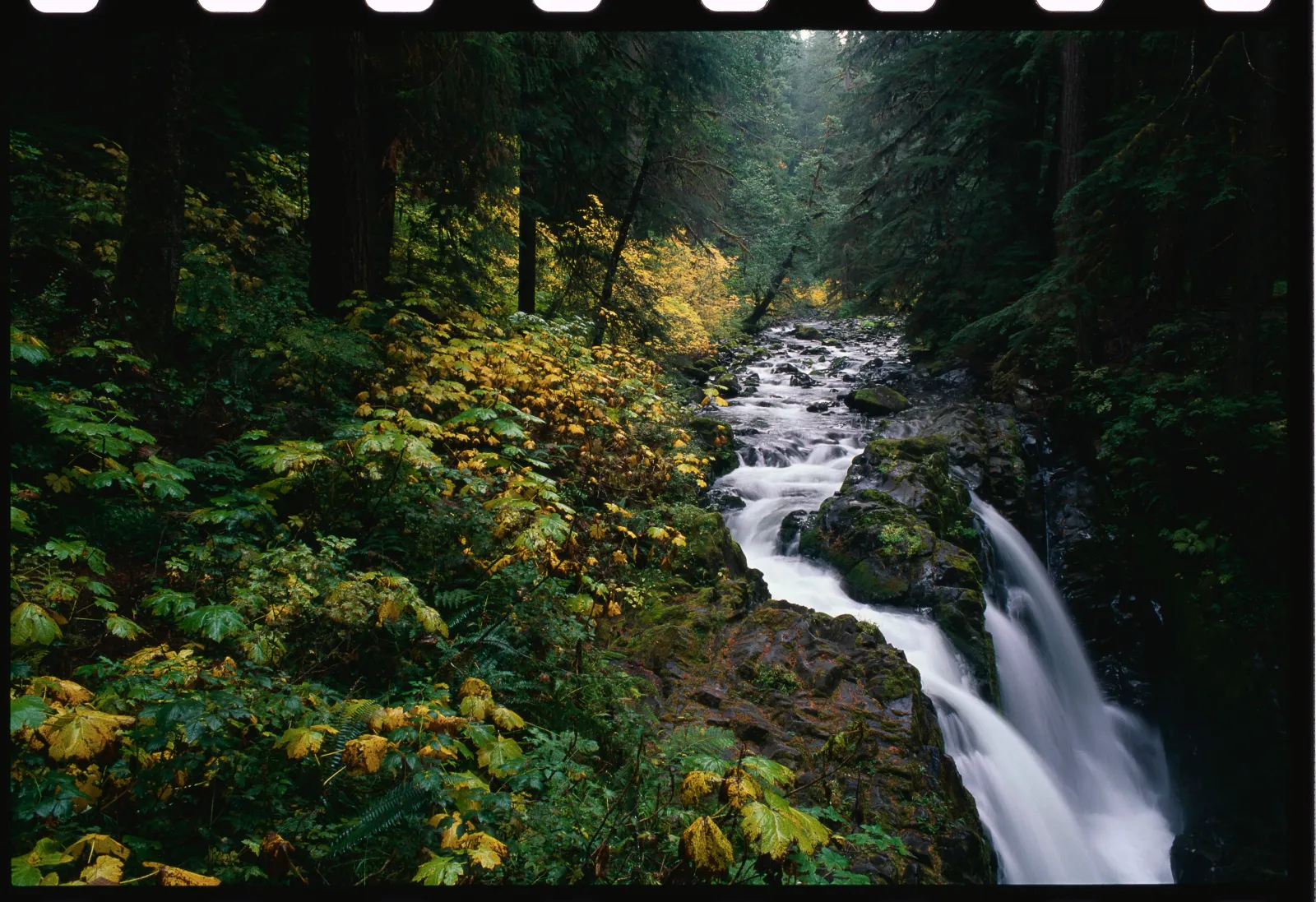
The mystery began on July 11, 2000 when a researcher discovered skeletal remains inside a sleeping bag in a tent in the remote Sol Duc backcountry of Olympic National Park.
Investigators also recovered several personal belongings, including a bivy-style tent, a Jansport backpack, a shoulder bag, winter clothing, binoculars, a folding saw and a space blanket, according to Othram.
Why Investigators Couldn’t Identify Him
The King County Medical Examiner’s Office determined the remains likely belonged to a man between 30 and 50 years old who had died sometime within the previous six months to four years, according to the National Park Service.
Despite extensive efforts, including forensic testing of items recovered at the scene, investigators were unable to obtain usable fingerprints or establish the man’s identity.
DNA Technology Delivers a Breakthrough
The case remained unsolved until 2024, when a forensic anthropologist submitted a DNA sample to Othram, a laboratory specializing in advanced DNA analysis.
Researchers developed a DNA profile and used forensic genetic genealogy to identify potential relatives.
Investigators then contacted family members and obtained reference samples, ultimately confirming the remains belonged to Serrao.
“This case remained unresolved for nearly 30 years, but investigators never lost sight of the goal of identifying this individual and finding answers for his family,” Debra Flowers, deputy chief of the National Park Service Investigative Services Branch, said.
“I’m proud of the persistence and collaboration that made this identification possible, and I hope it brings some measure of closure to those who have spent so many years wondering what happened to Joseph,” she added.
Who Was Joseph Serrao?
Family members said that Serrao was born in Hawaii on December 3, 1960.
Relatives told investigators that Serrao had been living in Washington before he disappeared. Their last known contact with him was in 1998, suggesting he was in his late 30s when he died.
Authorities have released few additional details about Serrao’s life.
Questions Remain Around Sleeping Bag Mystery
For decades, the case baffled investigators as traditional forensic techniques failed to identify the man. The breakthrough came only after modern DNA genealogy tools became available.
Although Serrao now has his name back, the circumstances surrounding his death remain unclear. Authorities have not publicly determined how he died or established a precise timeline for his final days.
What Happens Next
Whether investigators will pursue additional inquiries into Serrao’s death remains unclear.
For now, the identification answers one of the case’s biggest questions while leaving the mystery of what happened to him unresolved.