The bodies of two Singaporean nationals who went missing after the eruption of Mount Dukono in eastern Indonesia have been found, local authorities said on Sunday, bringing a days‑long search effort to a tragic conclusion.
Rescuers discovered the bodies holding each other under rock debris near the crater rim of the volcano on Halmahera Island, Iwan Ramdani, the head of the local rescue agency, told Reuters. The pair had been reported missing following Friday’s eruption, which sent ash high into the air and created dangerous conditions around the peak.
Authorities said retrieving the bodies was extremely challenging due to the steep terrain, persistent rainfall, and ongoing volcanic activity. The evacuation effort was further hampered by renewed eruptions from the volcano, Ramdani said. The bodies were taken to a local hospital, where autopsies were being carried out.
Around 150 search-and-rescue personnel were deployed as part of the operation, supported by two thermal drones. The search teams focused on an area roughly 350 to 500 feet around the crater rim, a zone considered especially hazardous due to falling debris and unstable ground. Officials said the search operation has now concluded.
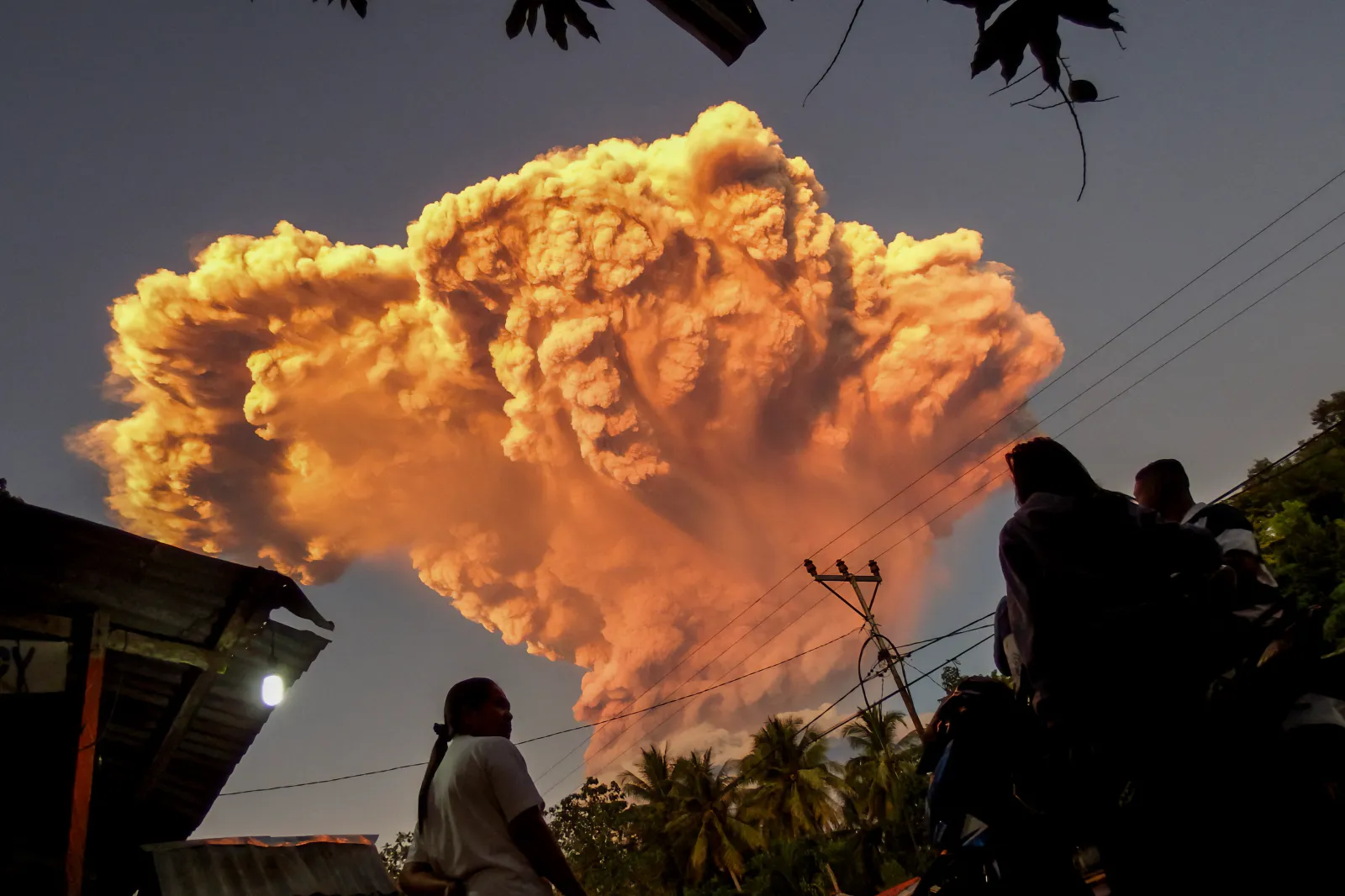
Mount Dukono, located in North Maluku province near the Pacific Ocean, began erupting on Friday. The initial eruption sent ash soaring as high as 6 miles above the summit, according to Indonesian authorities. While the volcano has continued to erupt at a lower intensity since then, the activity has remained dangerous for those in close proximity.
Indonesia’s volcanology agency reported at least four eruptions as of Sunday, including one that still managed to send ash nearly a mile into the air. The agency is maintaining its third‑highest alert level for Mount Dukono and has banned all activities within a 2.5‑mile radius of the crater.
In addition to the two Singaporeans, rescuers earlier confirmed that one Indonesian hiker who had gone missing during the incident was also found dead. Authorities said 17 people survived the eruption, including seven Singaporean nationals and 10 Indonesians.
Singapore’s Ministry of Foreign Affairs said in a statement the seven surviving Singaporeans were scheduled to return home on Sunday. It remained unclear when the bodies of the two deceased Singaporean nationals would be repatriated.
Indonesia sits along the Pacific “Ring of Fire,” a region known for its frequent earthquakes and volcanic eruptions caused by tectonic plate movements. The country is home to more than 120 active volcanoes, and eruptions are a regular hazard, particularly in remote or mountainous regions where access can be limited.
Mount Dukono is one of Indonesia’s most consistently active volcanoes and has experienced near‑continuous eruptive activity over many years. Authorities have repeatedly urged tourists, hikers and local residents to heed safety warnings and exclusion zones issued by volcanology officials, especially during periods of heightened activity.
The incident serves as a stark reminder of the risks posed by Indonesia’s powerful natural landscape, even as search and rescue teams work under dangerous conditions to respond when disasters strike.