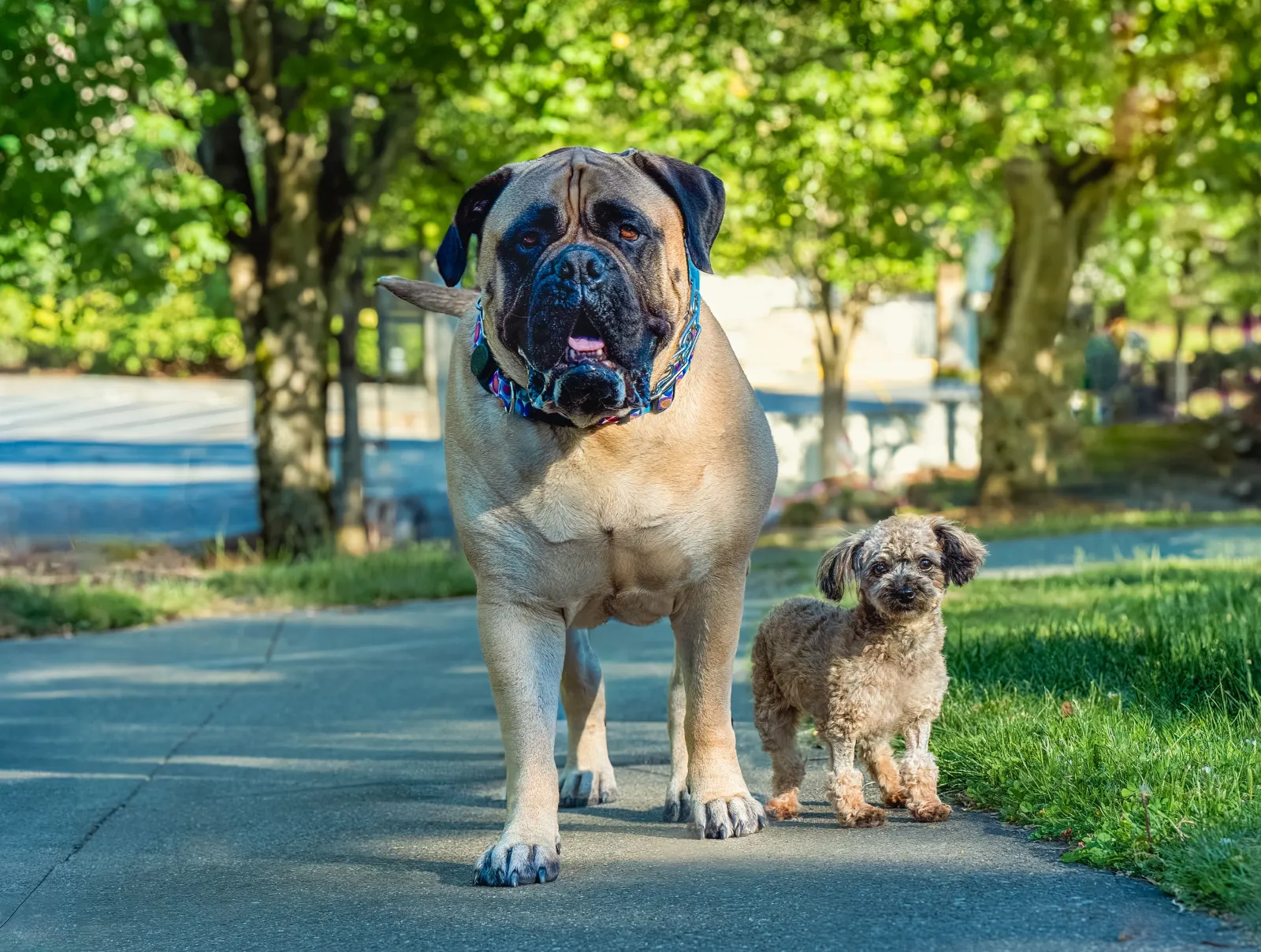
People often describe themselves as either a “cat person” or a “dog person,” but far less attention is paid to the type of dog someone prefers.
While research has long explored personality differences between dog and cat owners, psychologists say the size of a dog may also offer insight into an owner’s traits—though not in a clear‑cut way.
Previous studies have found that dog owners tend to be more extroverted, agreeable and less neurotic, while cat carers are often described as more open and conscientious. Experts have also suggested that dogs can mirror their owner’s personality. But do small and large‑dog owners tend to share personality traits with the size of their dog?”
According to Dr. Sanam Hafeez, a neuropsychologist based in New York, the answer is nuanced.
Large Dog Preferences and Personality Traits
When asked whether certain personality traits are linked to owning or preferring larger dog breeds, Hafeez stressed that the relationship is not black and white. Still, she noted that some tendencies appear more often at a population level.
“People higher in dominance or who prefer social status tend to favor larger, more imposing breeds,” Hafeez told Newsweek.
She added that lifestyle also plays a role, particularly for people who thrive on activity and social engagement.
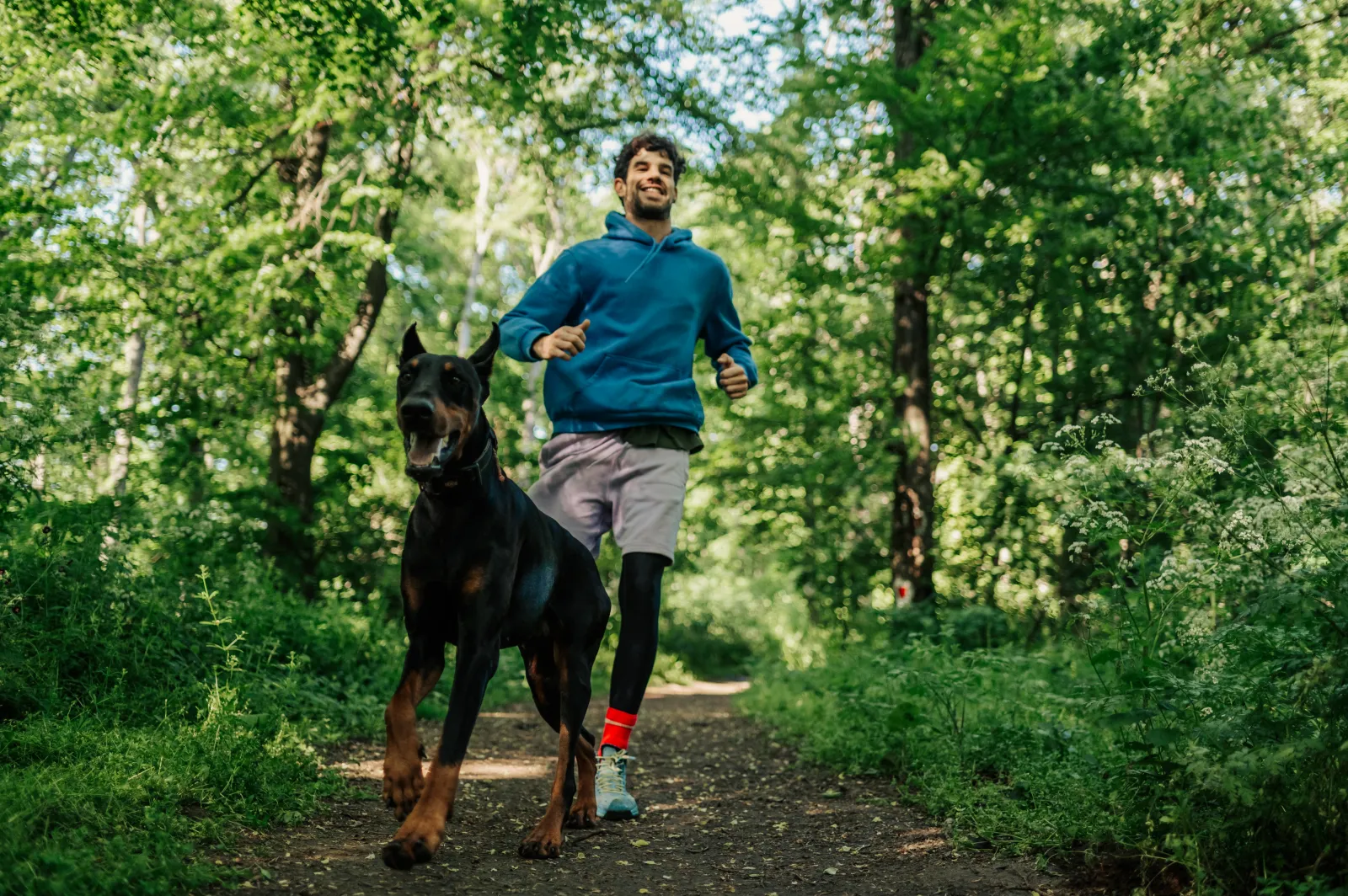
“Extraverts, who enjoy activity and sociability, may gravitate toward larger, more energetic breeds suited to outdoor lifestyles,” she said.
Hafeez explained that people who constantly seek stimulation, become bored easily and enjoy physical challenges often feel naturally aligned with large, working, sporting or protection breeds. These dogs may better match an owner’s desire for movement, structure and engagement.
Still, Hafeez emphasized that these observations reflect loose trends rather than definitive psychological profiles.
Small Dogs and Caregiving Behavior
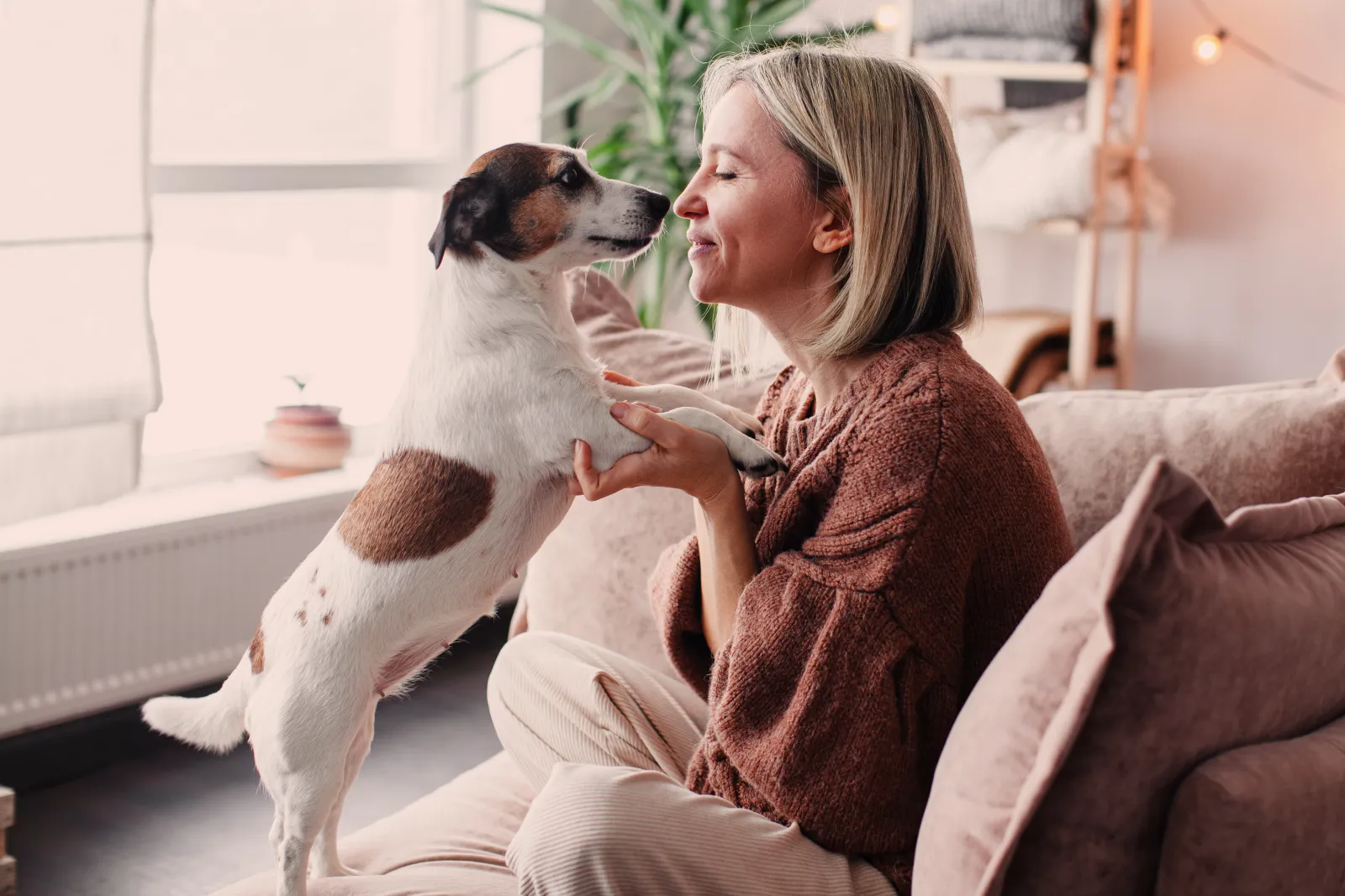
Although many people joke that owning any dog is like caring for a toddler that never grows up, Hafeez said this comparison tends to be especially strong with smaller breeds.
“Small dogs do seem to pull more anxious, watchful behavior out of their owners,” she said. “You’re tracking a 6‑pound animal through a world full of things that could hurt it, which keeps you in a kind of low‑grade alert state most of the time.”
That heightened awareness, she explained, can deeply activate caregiving instincts.
“That constant monitoring probably activates caregiving instincts in a pretty deep way, similar to what parents feel with toddlers, and there’s real psychological reward in that,” Hafeez said.
She added that feeling needed can have genuine psychological benefits for owners.
Structure, Purpose and Emotional Reward
“Having an animal dependent on your routine gives structure to your day, which is quietly stabilizing for a lot of owners, especially people living alone,” she said.
Hafeez also highlighted how small dogs may encourage owners to become more emotionally attuned.
“Small dogs also tend to be more expressive and reactive, so owners get a lot of practice reading subtle body language and emotional cues, which can sharpen social attunement over time,” Hafeez said.
According to her, the cumulative effect for many owners is meaningful.
“The net effect for many owners is a sense of purpose, emotional atonement, and reduced loneliness,” she said.
Why the Research Isn’t Definitive
Despite these observations, Hafeez cautioned against drawing strong conclusions about personality based on dog size alone.
“The honest starting point is that these are population‑level tendencies, not personality tests,” she said. “Meaning if you looked at a thousand big dog owners, certain traits might show up slightly more often, but that tells you nothing reliable about any individual person.”
She also pointed out that much of the research in this area is limited.
“The research behind most of these claims is also pretty thin, often based on small surveys with self‑reported data, so the patterns are more like loose observations than hard findings,” Hafeez said.
Beyond personality, she emphasized that dog choice is shaped by many practical considerations.
“It’s also worth remembering that dog choice is shaped by a ton of practical factors, housing, allergies, lifestyle, and what you grew up with,” she said.
For Hafeez, the takeaway is balance.
“So the responsible way to talk about it is to say ‘there’s some evidence that suggests a loose link’ rather than ‘big dog people are dominant,’ like it’s a rule,” she said.