Beijing on Wednesday stressed it has consistently pushed for a ceasefire in the Iran war but did not acknowledge President Donald Trump’s suggestion China played a role in the truce declared on Tuesday.
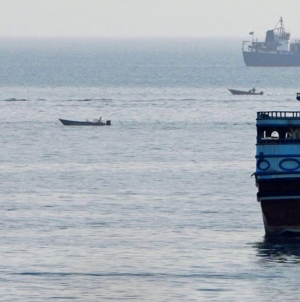
The two-week ceasefire, brokered by Pakistan, will see Iran reopen the Strait of Hormuz, through which about one-fifth of the world’s seaborne crude flows. In return, the U.S. and Israel will halt their bombing campaigns against the Islamic Republic as negotiations continue toward a more permanent settlement, according to statements from Trump and Iranian Foreign Minister Abbas Aragchi.
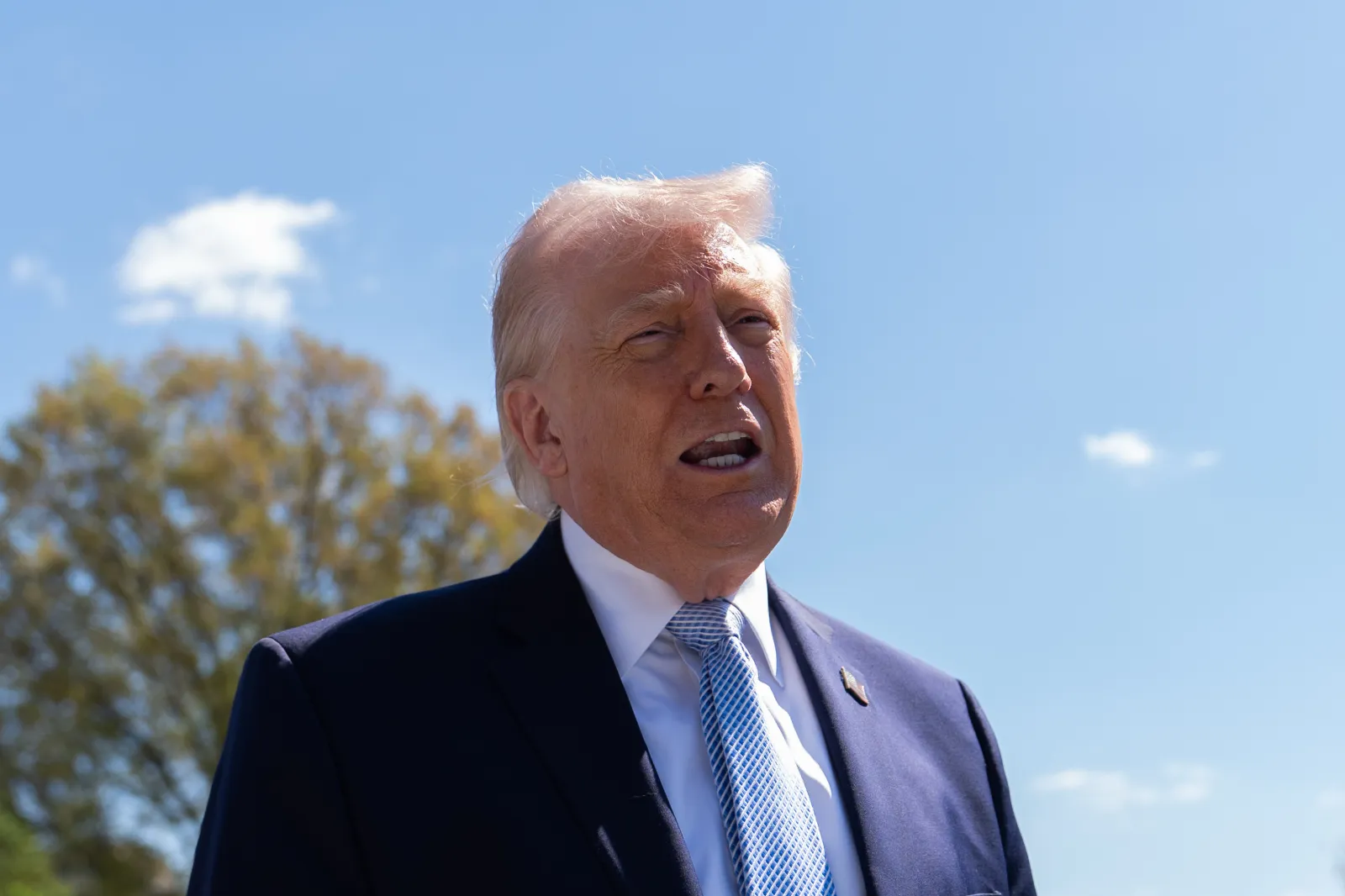
In an interview with Agence France-Presse on Tuesday, Trump claimed a “total and complete victory” after reaching the ceasefire.
“I hear yes,” Trump stated when asked whether China had played a role in bringing the Islamic Republic to the table.
Newsweek has reached out to the White House and the Chinese Embassy in the U.S. via emailed requests for comment.
“As a responsible major country, China will continue to play a constructive role in the peace and tranquility of the region,” Chinese Foreign Ministry spokesperson Mao Ning told reporters during Wednesday’s regular press briefing.
China has been engaged in a flurry of diplomatic outreach since the U.S. and Israel launched their attacks on Iran more than five weeks ago.
The East Asian power joined Pakistan last week in releasing a five-point peace proposal. China’s top diplomat Wang Yi has also held phone calls with foreign ministers from 26 countries, while Chinese special envoy to the Middle East, Zhai Jun, conducted shuttle diplomacy in the Gulf region, Mao observed, though she sidestepped a question about China’s direct involvement in U.S.-Iran negotiations.
Although Beijing is a longstanding supporter of Iran’s government and the top buyer of its oil, analysts have noted China’s support for its ally has been limited throughout the conflict.
However, Beijing has a strong stake in reopening the Strait of Hormuz. More than 40 percent of its oil imports pass through the chokepoint, raising concerns about supply constraints if the conflict were to continue for months.
Iran has been operating a vetting system under which ships deemed non-hostile have been allowed to pass through its waters, with some companies reportedly paying a transit fee.
The sudden announcement of the ceasefire came on the heels of an ultimatum from Trump, who threatened massive strikes on civilian infrastructure—specifically naming bridges and power plants—if Iran did not agree to a deal by Tuesday night. In an ominous follow-up social media post, Trump warned “a whole civilization will die tonight.”
Negotiations will proceed along a 10-point framework put forward by Iran, down from the 15 points the United States had been pressing for.
Israel backs the two-week pause but said it did not extend to Lebanon, according to the office of Israeli Prime Minister Benjamin Netanyahu.
Israel says its operations in Lebanon are aimed to counter Hezbollah, which it views as a regional proxy for Tehran and a security threat along its northern border.
Israeli air raids have killed more than 1,450 people, including 126 children, and displaced roughly 1.2 million since March 2, according to the Lebanese government.